Wadsworths win preventable hospital fall leading to accelerated death case. We acted on behalf of the widow of a gentleman who suffered a preventable fall while admitted to hospital for cancer treatment, which ultimately led to a serious hip fracture, permanent immobility, rapid deterioration, and an accelerated death.
Following service of a Letter of Claim under the Pre-Action Protocol for Clinical Disputes, we helped our client achieve a substantial settlement after a Part 36 offer was made and accepted. The Defendant Trust did not refute the allegations, and its own internal serious incident investigation supported many of the failings identified.
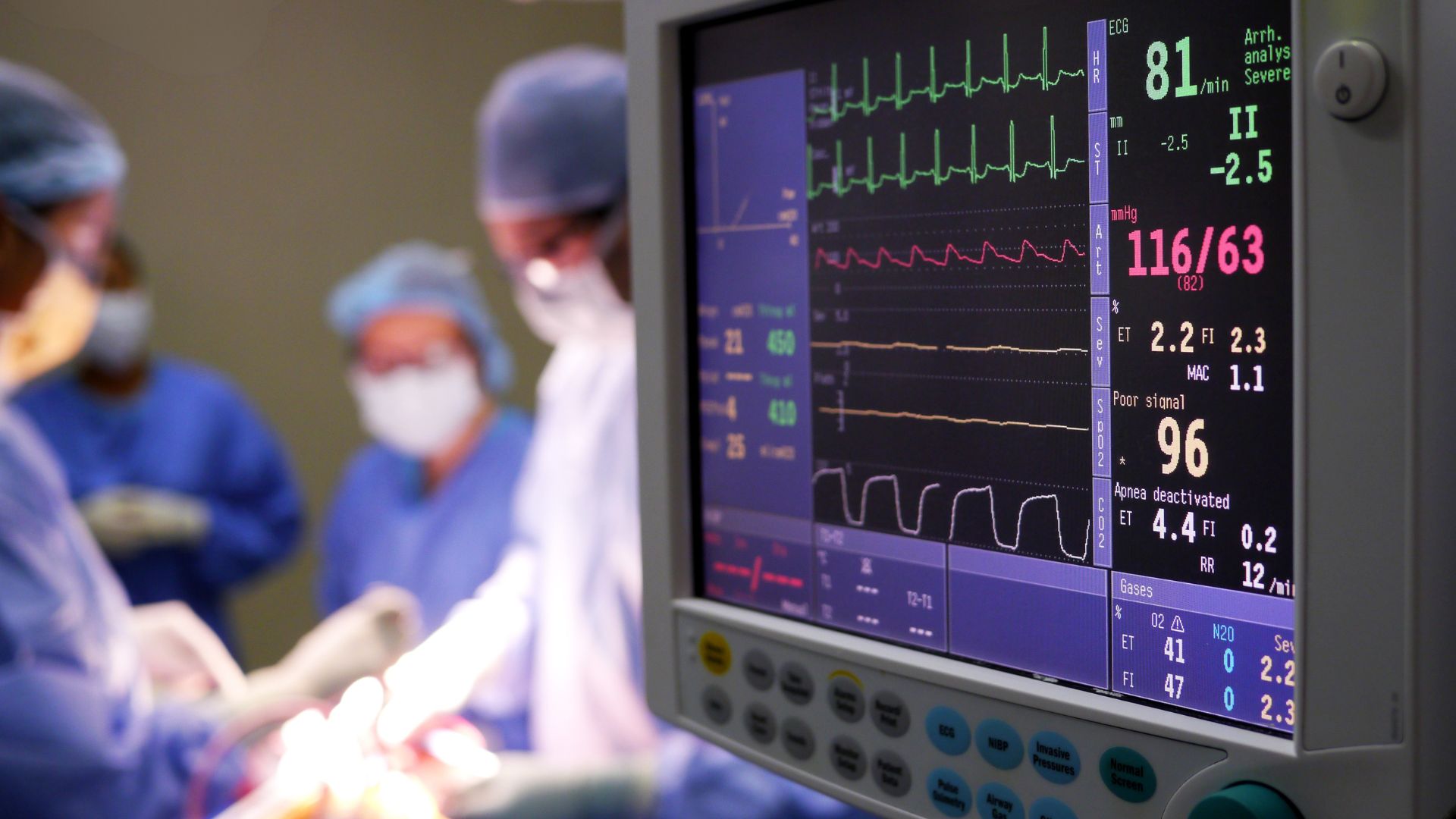
Our client wanted to ensure this action reinforced the critical importance of fall risk assessments, supervision, and basic safety measures for vulnerable inpatients.
The deceased gentleman was admitted to hospital in December 2022 for cancer treatment. His medical history included:
- Diabetes
- Bilateral knee replacements
- Peripheral neuropathy
- Polypharmacy
- Reduced mobility
He suffered an initial fall in hospital and fractured his shoulder. Shortly afterwards, he was readmitted due to
ongoing pain and mobility issues.
During his admission, multiple risk factors for falls were documented, including:
- Cognitive changes and delirium
- Postural hypotension
- Reduced mobility
- Incontinence
- Complex medication regime
Despite these clear risk indicators, appropriate falls prevention measures were not properly implemented.
The Second Fall
On 7 February 2023, while still an inpatient, he suffered an unwitnessed fall while attempting to go to the toilet.
At the time:
- No falls alarm was in place
- No sensor mat was installed
- The call bell was not within reach
- Enhanced supervision had not been implemented
Common Risks Associated with Corridor Care
Patients treated in corridors or other makeshift areas may be exposed to increased risk of harm, including:
- Delayed treatment or diagnosis due to lack of access to equipment or clinical space
- Failure to monitor deterioration, particularly in elderly or acutely unwell patients
- Increased risk of infection due to inappropriate clinical environments
- Loss of dignity and confidentiality, including sensitive conversations held in public areas
- Increased risk of falls and pressure injuries
He sustained a fractured neck of femur and required surgery the following day.
After this fall, his condition significantly deteriorated. He became permanently bed-bound, experienced
worsening confusion.
What Went Wrong
Independent expert evidence from both a Nursing Expert and an Orthopaedic Consultant confirmed serious
failings, including:
1. Failure to Carry Out Timely Falls Risk Assessments
No adequate falls risk assessment or care plan was implemented despite obvious risk factors.
2. Failure to Implement Basic Falls Prevention Measures
Simple precautions were not consistently put in place, including:
- Falls alarms
- Sensor mats
- Ensuring call bells were accessible
- Enhanced observations
3. Failure to Escalate Care
There was no appropriate response to clear clinical deterioration between late December and early February.
4. Failure to Prevent Avoidable Harm
Expert opinion supported that, on the balance of probabilities, the second fall would likely have been prevented
had appropriate measures been in place.
Importantly, the Trust’s own internal serious incident investigation supported many of these conclusions.
Causation and Impact
Prior to admission, the gentleman was active and independent. He walked his dogs daily and played golf weekly.
After the fall:
- He became permanently immobile
- He experienced prolonged pain and loss of dignity
- His cognitive function declined
- His death was materially accelerated
The fall marked a clear turning point in his health trajectory.
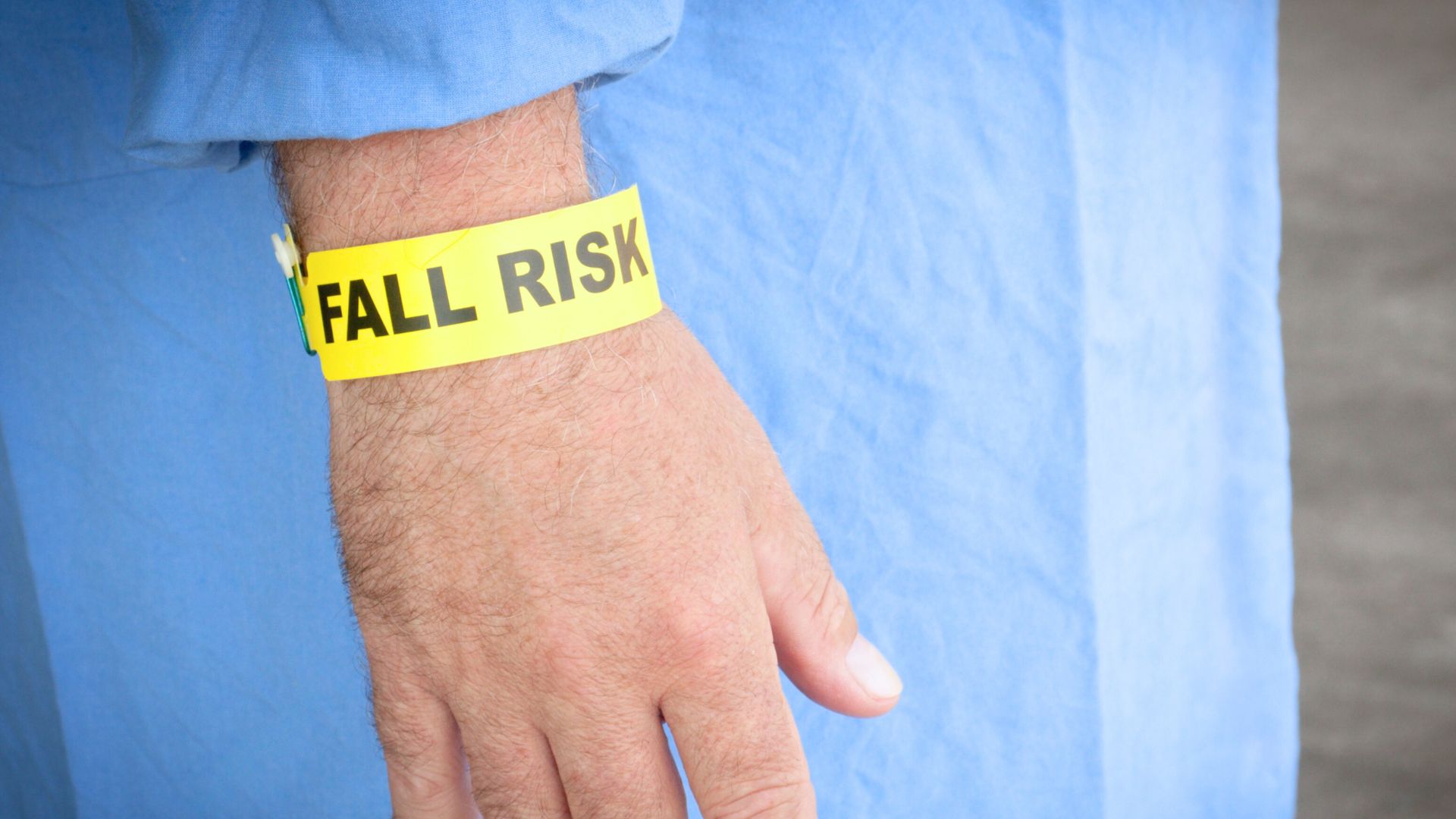
Legal Outcome
A formal Letter of Claim was served in accordance with the Pre-Action Protocol for the Resolution of Clinical Disputes.
The evidence supporting breach of duty and causation was very strong. After a Part 36 offer was made, the Defendant accepted the offer.
The case was settled out of court, avoiding the need for lengthy and distressing court proceedings for the family.
Wadsworths and our client’s objective was to highlight the trust’s failures to hopefully prevent future incidents
and loss.
Key Learning Points This case demonstrates that:
- Falls risk assessments must be completed promptly and updated regularly.
- Known risk factors such as delirium, polypharmacy, and mobility impairment require proactive management.
- Basic measures (alarms, supervision, accessible call bells) can prevent catastrophic injury.
- Internal hospital investigations can play a significant role in establishing liability.
Most importantly, many inpatient falls are preventable when proper systems are followed.
Have You/Family Member Experienced Something Similar?
If you or a loved one has suffered a serious fall in hospital or a care home where:
- Risk assessments were not completed or updated
- Supervision was inadequate
- Basic safety measures were not in place
- The fall led to significant injury, deterioration, or death
Wadsworth’s offers a FREE, confidential initial consultation for preliminary advice.
Please contact our team on 0121 745 8550 or get in touch via our website to discuss how we can assist
you.